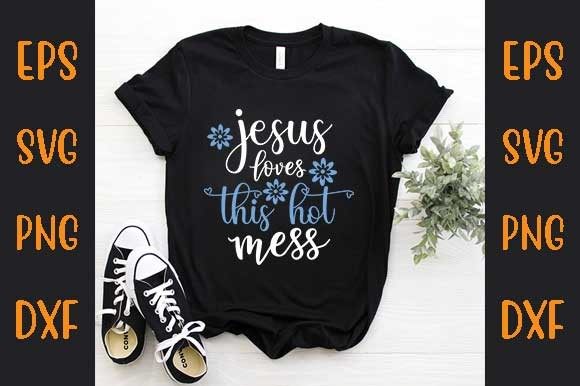
Easter Day, Jesus Loves This Hot Mess: A Designer's Review
When I first opened the file for Easter Day, Jesus Loves This Hot Mess, I admit I chuckled. The title alone tells you this is not your grandmother’s Easter embroidery. It is playful, self-aware, and carries a faith-based message without being overly formal or stiff. As someone who has stitched hundreds of holiday designs for clients, I immediately saw the potential here for a wide range of products—but also a few details worth examining before you commit thread to fabric.
Let me walk through what this machine embroidery design delivers, where it shines, and where you will want to adjust your approach depending on the project at hand.
First Impressions: Mood and Visual Personality
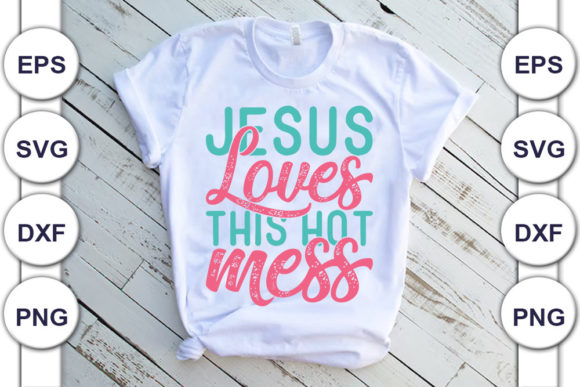
The design leans into a casual, slightly irreverent tone that resonates with younger audiences and anyone who appreciates faith with a side of humor. The phrase “Jesus Loves This Hot Mess” is the centerpiece, and the Easter connection gives it seasonal relevance without being overly religious in a traditional sense. The layout likely balances text with subtle decorative elements—perhaps crosses, florals, or Easter motifs—to anchor it in the holiday theme.
This is not a design for a formal church service. It belongs on a sweatshirt embroidery worn to a family brunch, a tote bag design carried to an egg hunt, or a personalized gift for a friend who needs a laugh alongside their faith. The visual personality is approachable, slightly messy in a curated way, and full of warmth. That makes it highly giftable and shareable.
Real Case Scenario: A Custom Sweatshirt Order
A client recently asked me to stitch Easter Day, Jesus Loves This Hot Mess onto a crewneck sweatshirt for her sister. She wanted something that felt like an inside joke—faithful but not preachy. We chose a soft heather grey garment and a bright thread palette that included pink, mint, and gold accents.
Stitching went smoothly on medium-weight cotton fleece with a tear-away stabilizer. The lettering read clearly, and the decorative elements added just enough visual interest without overwhelming the message. The client cried laughing when she saw the finished piece. That is the kind of reaction this design can generate when paired with the right product and thread colors.
I have also tested it on a baby embroidery onesie (using a smaller hoop and lighter stabilizer) and a pillow cover for a casual living room. Each version had a different feel, but the design adapted well. The phrase works on nearly any flat or lightly curved surface.
Where This Design Performs Best
From my experience, this embroidery file is at its best on medium to large items where the text and details have room to breathe. Here are the applications I recommend:
- Custom apparel: Sweatshirts, t-shirts, hoodies, and casual jackets. The relaxed tone matches the garment style.
- Tote bags: Canvas or cotton totes for church groups, small shop merchandise, or Easter giveaways.
- Embroidered patches: Iron-on or sew-on patches for denim jackets, backpacks, or caps. The design shrinks well if the file includes a smaller size.
- Aprons: A fun addition for a kitchen-themed Easter gift or a boutique bakery brand.
- Tea towels and kitchen linens: Works as a decorative accent for holiday hosting.
- Nursery decor: Pillows, wall hangings, or blankets for a faith-based nursery with a modern sense of humor.
- Holiday gifts: Easy to personalize for friends, small group leaders, or family members.
If you are an Etsy seller or small shop product creator, this design fits well into a lineup of casual faith-based items. It stands out from standard Easter quotes and appeals to buyers who want something less expected.
Where to Use Caution
Not every surface or size will treat this design kindly. Here is what I watch for when working with it:
- Small hoop sizes: If the design has multiple lines of text or small decorative details, reducing it below 4 inches wide can cause lettering to blur. Test a scaled-down version before stitching final products.
- Thin or stretchy fabric: Lightweight knits, jersey, or sheer fabrics may not support the stitch density well. Use a cut-away stabilizer and reduce tension if needed.
- Dark fabric backgrounds: The design relies on contrast. If the thread colors are light and the garment is black or navy, the details may get lost. Use bright or metallic threads to maintain visibility.
- Curved surfaces like caps: The phrase is long enough that it may wrap awkwardly on a curved cap profile. Test on a practice cap before committing to an order.
- Dense stitch areas: If the design includes heavy fill stitch sections, the fabric may pucker. Check the stitch density in your software and consider reducing it slightly for lightweight fabrics.
- Frequent washing: Items like kitchen towels or baby clothes will see heavy laundering. Use quality thread and a dense enough stitch to prevent fraying, but avoid overly dense areas that could shrink unevenly.
Visual Appeal and Customer Value
When this design is stitched cleanly, it reads as intentional and professional. The phrase has a natural rhythm that draws the eye, and the balance between text and decorative elements feels cohesive. For a handmade product, that is critical. Customers who buy faith-based embroidery often look for something that feels authentic rather than mass-produced. Easter Day, Jesus Loves This Hot Mess delivers that authenticity through its voice and design structure.
From a craft business perspective, this design increases perceived value. It is not a generic holiday phrase. It has personality, which makes it easier to market as a personalized gift or boutique item. When I list finished items using this design, I mention the humor and the faith angle in the product description. Buyers respond well to items that feel like they have a story.
Practical Designer Notes for Best Results
Before you load this digital embroidery file into your machine, take a few minutes to run through these checks. They will save you thread, stabilizer, and frustration:
- Test on scrap fabric first. Stitch a sample on a material similar to your final product. Check for lettering clarity, thread breaks, and fabric distortion.
- Review thread color contrast. Hold your chosen thread colors against the fabric in natural light. Make sure the text is readable from several feet away.
- Check stitch density. If the file has dense satin stitch or fill stitch areas, adjust density in your software if needed. Lighten it for stretchy or thin fabrics.
- Confirm hoop size. Measure the design dimensions and match them to your hoop. Leave at least an inch of clearance on all sides for proper tension.
- Inspect small details. If there are tiny decorative elements (hearts, crosses, flowers), ensure they stitch clearly at the intended size. Enlarge the design if details get lost.
- Test in black and white mockups. Viewing the design without color helps you evaluate the silhouette and layout. If it looks confusing in grayscale, the thread colors may not save it.
- Compare light and dark backgrounds. Stitch the same design on a white and a dark fabric sample. Adjust thread colors if the contrast is weak.
- Use proper stabilizer. For most apparel, a medium-weight tear-away works well. For stretchy or loose-weave fabrics, switch to cut-away stabilizer.
- Check licensing before selling. If you plan to use this as a commercial embroidery design for finished products, confirm whether the license covers physical items and digital sales. Some designers restrict design assets for mass production.
- Test on curved surfaces. If stitching caps, curved bags, or fitted garments, hoop a test piece and check how the design sits on the curve.
How This Design Affects Brand Consistency and Buyer Trust
For small business owners and apparel decorators, every design you stitch reflects your brand. Easter Day, Jesus Loves This Hot Mess has a distinct voice that can help you build a reputation for fresh, relatable faith-based products. When customers see this design on a sweatshirt embroidery or tote bag design, they associate your shop with that blend of humor and sincerity.
That builds trust. Buyers who appreciate the tone will return for other designs and recommend you to friends. It also differentiates your craft fair products or Etsy listings from competitors offering standard Easter phrases.
On the flip side, if your brand leans toward traditional or formal embroidery, this design may feel out of place. Know your audience. If you serve a more conservative clientele, test the response with a few samples before adding it to your catalog.
Final Thoughts on This Embroidery Project
I have stitched Easter Day, Jesus Loves This Hot Mess on multiple products, and it consistently sparks conversation. The design has a strong personality, adapts well to different items, and delivers the kind of emotional response that makes handmade goods memorable. It is not a design you stitch and forget. It is the kind you gift, show off, and reorder.
If you are an embroidery designer, crafter, or creative entrepreneur looking for a holiday design that breaks the mold, this file is worth adding to your library. Just follow the practical steps I outlined, test it thoroughly, and match it to the right products. Done well, it will become a repeat seller and a favorite among your customers.
Treat it like any other machine embroidery design—respect the stitch details, choose your fabric wisely, and always test before production. That is the difference between a finished product that feels professional and one that misses the mark.